- CBT approach
- Goal focused
- Mind-body viewpoint
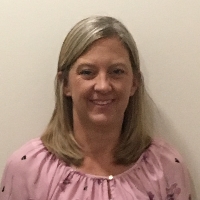
About Susan
She prioritizes clear, direct work on problems such as stress, anxiety, low self-esteem, and depression. She also supports people facing relationship strain, parenting challenges, sleep difficulties, grief, and career transitions. Additional areas of focus include women's health concerns, fertility and pregnancy-related issues, cancer, aging and geriatric matters, and seasonal mood changes.
Susan uses Cognitive Behavioral Therapy, often called CBT, to help people notice unhelpful thoughts and try different actions. She combines that with attention to mind-body connections so physical habits and mental patterns are addressed together. Sessions are aimed at concrete skills and small steps that can make daily life easier.
Susan has worked in both inpatient and outpatient settings and now sees clients in a private practice environment in Kansas. Her background includes a Master’s degree in Counseling Psychology from the University of Kansas and extensive clinical work across many settings.
People who want straightforward, skills-based counseling tend to fit well with her approach. She helps clients set clear goals, practice new behaviors, and track progress over time. Those unsure where to begin are invited to reach out and discuss what would help most.
Areas of expertise
Also works with
Additional focus areas
Therapeutic approaches
Experience
30+ years
Credentials
Kansas
Languages
English
How Cognitive Behavioral Work Fits into Online Care
CBT, or Cognitive Behavioral Therapy, helps people notice thoughts that lead to unhelpful feelings and behavior. It involves identifying those thought patterns and practicing different, more helpful responses to reduce stress and anxiety and improve mood.Susan also brings a mind-body viewpoint to sessions, looking at how routines, sleep, and physical habits interact with emotions. That approach helps with problems like sleep difficulties, stress-related symptoms, and low energy by pairing cognitive work with practical habit changes.
Choosing the right approach is a collaborative process. The therapist will work with the client to decide which methods fit their needs, goals, and preferences, and adjust strategies over time based on what helps most.
Practical benefits of online therapy include fitting sessions into a busy schedule and reducing travel time so counseling can more easily become part of a weekly routine. Online care can make it simpler to have brief check-ins or to schedule appointments around work and family commitments. Confirm the specific session options available before booking so the format matches your needs.
Frequently asked questions
What concerns does she commonly address?
Susan focuses on stress, anxiety, low self-esteem, depression, relationship and parenting issues, sleep problems, grief, anger, and career concerns, plus areas like women’s health, fertility, cancer, and aging.
What is her therapeutic style like?
Sessions are relaxed and non-judgmental with a goal-focused emphasis on practical skills and small steps clients can use between meetings.
How much clinical experience does she have?
She brings 30 years of clinical experience working in both inpatient and outpatient settings and in private practice.
What credentials and location are listed for this therapist?
She is a Licensed Clinical Professional Counselor, KS LCPC, and practices in Kansas.
Which languages are supported for sessions?
Sessions are offered in English.
Can people outside the United States work with her?
International clients are not currently accepted.
How are fees and billing handled?
Cost varies with location and therapist availability; sessions use a subscription that can be canceled at any time.
How do I begin a match and schedule a session?
Click the Start Therapy button, complete a short matching questionnaire, and then schedule according to the therapist's availability.