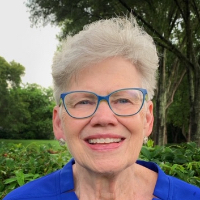
- Client-centered approach
- Practical skills
- Trauma-informed care
About Susan
She uses a client-centered stance that puts the person's experience at the center of each session. That approach is paired with straightforward tools from cognitive behavioral therapy and motivational interviewing to address unhelpful thinking and build motivation for change. Solution-focused methods help keep sessions practical and goal-oriented.
Susan also brings experience supporting people coping with major life changes, chronic illness and pain, caregiver stress, and end-of-life and hospice concerns. She works through relationship and family-of-origin issues, codependency, and the effects of abandonment or adoption backgrounds when these come up in therapy.
Sessions tend to focus on clear goals, concrete steps, and skills the person can use between meetings. Susan emphasizes short-term strategies for relief alongside deeper work on trauma and grief when that is needed. She aims to help people reduce distress and move toward steadier daily functioning.
She invites anyone who is ready to take a first step to reach out and begin the process. To get started, a simple matching questionnaire and scheduling follow the initial sign-up steps.
Areas of expertise
Also works with
Additional focus areas
Therapeutic approaches
Experience
25+ years
Credentials
Florida
Languages
English
How therapeutic approaches work in online care
Client-Centered Therapy focuses on listening and responding to what matters most to the person. The therapist follows the client's lead and helps them make sense of their experience while offering support and reflection. Cognitive Behavioral Therapy, or CBT, looks at the links between thoughts, feelings, and actions and teaches practical strategies to change unhelpful patterns and reduce anxiety or low mood. Motivational Interviewing is a collaborative way to boost a person's own motivation to make changes, useful for addictions, behavior change, and readiness to try new coping strategies.Finding the right approach is part of the work together. The therapist will talk with the person about goals, preferences, and what feels most helpful, then try methods that match those needs. Decisions about focus and techniques are made jointly and can shift as progress happens.
Confirm the current session options before booking since formats are not specified here. Many people find online therapy helps fit care into busy lives by making scheduling easier, reducing commute time, and allowing shorter check-ins when needed. Online sessions can support skill practice, guided exercises, and steady check-ins while the therapist and client work toward concrete goals.
Frequently asked questions
What concerns does Susan help with?
Susan works with people struggling with stress, anxiety, depression, grief, trauma and abuse, bipolar disorder, ADHD, addictions, relationship and family issues, parenting strain, anger, career stress, and compassion fatigue.
What is her general therapy style?
She uses a client-centered style that emphasizes being heard, alongside practical approaches like cognitive behavioral therapy and motivational interviewing to set goals and build skills.
How much experience does she have?
Susan has 25 years of experience working in the mental health field and has supported people with a wide range of concerns over that time.
What are her credentials and where is she based?
She is a Licensed Mental Health Counselor, LMHC, and practices in Florida.
Which languages are supported for sessions?
Sessions are offered in English.
Can international clients work with her?
She does not accept international clients at this time.
How does payment and cost work?
Cost varies with location and therapist availability; sessions use a subscription model that can be canceled at any time.
How do I begin working with Susan?
Select the Start Therapy button, complete a short matching questionnaire, and schedule sessions according to the therapist's availability.