- Practical coping skills
- Relationship focus
- Trauma informed care
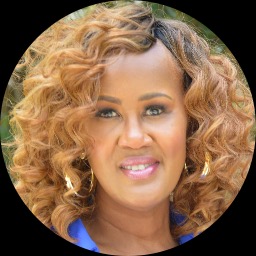
About Veronica
She uses a mix of approaches to match each person's needs. That can include Acceptance and Commitment Therapy for building values-driven action, cognitive behavioral strategies to change unhelpful thinking and behavior patterns, and attachment-based ideas to understand relationship patterns. She also draws on client-centered methods to keep sessions grounded in the person’s own goals.
Sessions aim to break problems into manageable pieces. That can mean learning simple skills for emotion regulation, practicing communication exercises, or naming how past experiences affect current relationships. The tone is direct and supportive, with a focus on real-life change rather than jargon.
Dr. Martin-Perkins also brings experience with additional concerns like caregiver stress, cancer-related distress, adoption and foster care issues, and aging-related worries. She helps people facing body image struggles, commitment or codependency questions, and complex grief.
People who choose her can expect collaborative goal-setting and clear homework between meetings when it will help. Sessions are offered in English and reflect her practice in Texas.
Areas of expertise
Primary focus
Additional focus areas
Therapeutic approaches
Experience
25+ years
Credentials
Texas
Languages
English
How therapy approaches translate to online care
Acceptance and Commitment Therapy (ACT) focuses on clarifying values and taking small, meaningful actions even when feelings are difficult; it is often used for anxiety, depression, and chronic stress. Cognitive Behavioral Therapy (CBT) looks at the link between thoughts, feelings, and behaviors and teaches practical skills to shift unhelpful patterns; it suits worries, low mood, and stress. Attachment-Based Therapy explores how early relationship patterns shape current interactions and can help people reconnect in relationships and improve communication.Finding the right approach is part of the therapy process. The therapist works collaboratively to decide which methods fit a person's goals and preferences. That may mean blending techniques or trying a few strategies to see what helps most.
For practical matters, confirm which session formats are currently offered before booking so you know how to join meetings. Online work can make it easier to fit sessions into a busy week, reduce travel time, and allow shorter check-ins when schedules demand it. Therapists and licensed professionals can guide how to use skills between sessions so therapy supports day-to-day life.
Frequently asked questions
What concerns does she commonly address?
She works with stress, anxiety, relationship difficulties, trauma and abuse, grief, and depression, along with related issues such as caregiver stress, body image, and adoption and foster care matters.
What is her general therapy style?
Her approach is integrative and practical, mixing acceptance and commitment ideas, cognitive behavioral strategies, attachment-based thinking, and client-centered work to fit each person's needs.
How much experience does she bring?
She has 25 years of experience in counseling and related work, bringing long-term clinical perspective to ongoing challenges.
What credentials and region are relevant?
She holds the LPC credential and practices in Texas.
Which languages are supported and can international clients join?
Sessions are offered in English and she is not currently working with international clients.
What session formats are available?
Confirm current session options before booking so you know which formats are offered for scheduling and attending sessions.
How does payment and cost work?
Cost varies with location and therapist availability; sessions use a subscription that can be canceled at any time.
What should I do to begin?
Use the Start Therapy button, complete a short matching questionnaire, and schedule according to the therapist's availability.