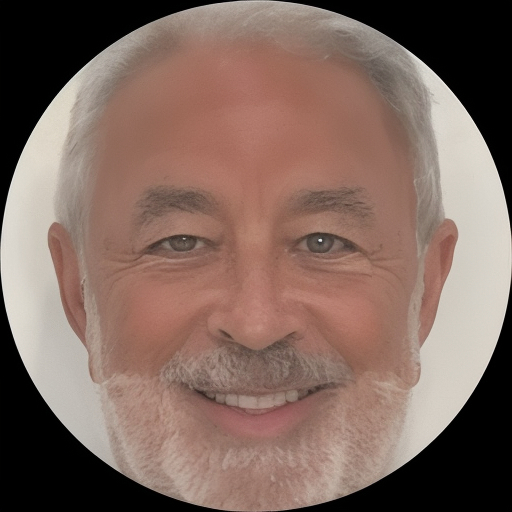
- Client-centered
- Practical skills
- Trauma-aware
About Victor
Victor has four decades of experience in counseling and has worked with many kinds of life challenges. He helps people talk through what is happening now and looks for practical ways to reduce overwhelm and improve day-to-day functioning. Sessions tend to focus on clear goals and simple skills that people can try between meetings.
His approach draws from client-centered methods that prioritize the person's perspective. He also uses cognitive behavioral techniques to identify unhelpful thoughts and mindfulness practices to manage strong emotions. For people coping with past harm, trauma-focused strategies are used to process what happened in a paced way.
People often bring multiple concerns at once, such as chronic pain, caregiver stress, or issues around identity and relationships. Victor works with those combined concerns rather than treating them as separate problems. He encourages honest conversations about what matters most and helps set realistic next steps.
Victor describes therapy as a collaborative process. He listens first, then helps develop a plan that fits each person's situation and goals. The work aims to be straightforward and focused on change over time.
Areas of expertise
Primary focus
Additional focus areas
Therapeutic approaches
Experience
40+ years
Credentials
Connecticut
Languages
English
How therapy approaches translate to online care
Victor often blends client-centered work with cognitive behavioral therapy. Client-centered Therapy focuses on listening closely to the person's experience and following their priorities, which helps build trust and clarity about what to tackle. Cognitive Behavioral Therapy (CBT) looks at patterns of thought and behavior and teaches practical skills to change unhelpful habits and reduce anxiety.Finding the right approach is part of the process. The therapist will work together with each person to decide which methods fit their goals and preferences. That collaborative planning can include trying techniques and adjusting the plan based on what helps most.
The profile does not list specific session formats, so confirm the current online options before booking. Online work can make it easier to fit therapy into a busy life by removing commute time and allowing shorter check-ins when needed. It can also let people access care from another state or country when appropriate. Licensed professionals can use online sessions to teach coping skills, review homework, and keep steady progress between in-person visits when those are available.
Frequently asked questions
What kinds of problems does Victor help with?
He focuses on stress, anxiety, addictions, LGBTQ issues, trauma and abuse, and depression. Additional areas include chronic illness, caregiver stress, and relationship and identity concerns.
What is Victor's therapy style like?
He emphasizes a client-centered stance that treats the person as the expert in their life. Sessions also draw on cognitive behavioral methods and mindfulness to build practical coping skills.
How much experience does he have?
Victor has 40 years of professional experience in counseling work. That background includes supporting people through long-term and complex problems.
What are his credentials and where is he based?
He holds the LPC credential, which stands for Licensed Professional Counselor, and practices in Connecticut.
Can people who live outside the US work with him?
International clients are accepted. Sessions are conducted in English.
What session formats are available?
The original profile does not list specific session formats. Please confirm current session options before booking to make sure they meet your needs.
How are fees and billing handled?
Cost varies with location and therapist availability, and sessions use a subscription that can be canceled at any time.
How do I begin working with Victor?
Click the Start Therapy button, complete a short matching questionnaire, and then schedule according to the therapist's availability.