- Couple-focused practice
- Practical homework
- Roots in pastoral care
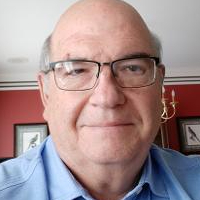
About William
He draws on three decades of clinical and pastoral counseling experience. Sessions emphasize participation from both partners when relevant, and often include tasks to practice between meetings. The goal is to find what actually works for each situation rather than follow a single set of rules.
William addresses a wide range of concerns including stress, anxiety, addictions, grief, parenting strain, intimacy-related issues, and coping with major life changes. He also attends to specific themes such as abandonment, blended family issues, caregiver stress, and challenges around commitment and communication.
His approach blends relational skill-building with emotionally focused work and practical cognitive techniques. He uses methods that help people identify patterns, name difficult emotions, and try new behaviors that alter those patterns. Sessions can include joint conversations, separate check-ins, and concrete steps to practice between meetings.
Clients can expect a steady, grounded style that combines clinical methods with pastoral perspective. He aims to equip people with tools they can use after therapy ends and offers periodic relationship check-ups for ongoing support.
Areas of expertise
Primary focus
Also works with
Additional focus areas
Therapeutic approaches
Experience
30+ years
Credentials
Georgia
Languages
English
How these approaches can work online
Attachment-Based Therapy helps people see how early relationship patterns shape current connections. It focuses on building safer bonds and clearer communication, which can reduce repeated conflicts. Cognitive Behavioral Therapy (CBT) breaks down thoughts and actions into manageable steps so people can test new behaviors and see what changes. Emotionally-Focused Therapy (EFT) concentrates on the emotional patterns that keep couples stuck and creates moments of connection that alter those cycles.Choosing the right approach is part of the work. The therapist will collaborate with each person to decide which methods fit their goals and preferences. That conversation guides whether sessions emphasize emotion-focused work, practical behavioral experiments, or a mix of methods.
The biography does not list specific online session formats, so please confirm the available options before booking. Online work can make it easier to fit sessions into a busy week, allow shorter check-ins when needed, and reduce travel time. It also supports using in-the-moment tools between meetings so practice carries into daily life.
Frequently asked questions
What kinds of concerns does he address?
He works with stress, anxiety, addictions, relationship and family problems, grief, intimacy-related issues, parenting, anger, self esteem, bipolar, depression, and coping with life changes.
What is his overall therapeutic style?
He emphasizes couple participation and practical work between sessions, blending emotionally focused conversation with cognitive strategies to change unhelpful patterns.
How much clinical experience does he have?
He brings 30 years of experience in marriage and family therapy and pastoral counseling to his practice.
What credentials and location are listed?
He is a Georgia LMFT and practices in Georgia.
Does he offer sessions in other languages or internationally?
Sessions are offered in English and he is not accepting international clients at this time.
What session formats are available?
The biography does not specify session formats; please confirm current session options before booking.
How are costs handled?
Cost varies with location and therapist availability; sessions use a subscription that can be canceled at any time.
How do I begin the process?
Select the Start Therapy button, complete a short matching questionnaire, and schedule according to therapist availability.