
Dr. Denise Petrelli-Holst
LPCWisconsin · 26 yrs exp
Experienced counselor with practical tools
Stress, Anxiety · Self esteem · Career · Coping with life changes · +11 more
Read profileTherapist listings are provided by BetterHelp. We will earn a commission at no extra cost to you if you use our links to buy.
Welcome to CopingWell.org's directory for online therapists in Wisconsin. All therapists listed here are licensed; explore profiles to compare credentials, approaches, focus areas, and languages spoken.
Wisconsin · 26 yrs exp
Experienced counselor with practical tools
Stress, Anxiety · Self esteem · Career · Coping with life changes · +11 more
Read profile
Wisconsin · 18 yrs exp
Practical, empathic support for life challenges
Stress, Anxiety · Parenting · Self esteem · Depression · +11 more
Read profile
Wisconsin · 8 yrs exp
Compassionate counselor focused on practical growth
Stress, Anxiety · Relationship · Self esteem · Career · +10 more
Read profile
Wisconsin · 30 yrs exp
Experienced social worker for life transitions
Stress, Anxiety · Relationship · Grief · Depression
Read profile
Wisconsin · 7 yrs exp
Compassionate, strengths-based social worker
Addictions · LGBT · Trauma and abuse · Grief · +1 more
Read profile
Wisconsin · 7 yrs exp
Practical therapy for motivation and life change
Stress, Anxiety · Self esteem · Depression · Coping with life changes · +13 more
Read profile
Wisconsin · 10 yrs exp
Practical, down-to-earth counseling for overwhelm
Stress, Anxiety · Trauma and abuse · Depression · Coping with life changes
Read profile
Wisconsin · 10 yrs exp
Compassionate LCSW focused on practical change
Stress, Anxiety · Depression · Coaching · Relationship · +3 more
Read profile
Wisconsin · 8 yrs exp
Collaborative, practical therapy for life challenges
Stress, Anxiety · Relationship · Family · Self esteem · +14 more
Read profile
Wisconsin · 7 yrs exp
Experienced counselor focused on practical solutions
Stress, Anxiety · Family · Trauma and abuse · Anger · +13 more
Read profile
Wisconsin · 9 yrs exp
Practical, affirming therapy for identity and mood
Stress, Anxiety · LGBT · Relationship · Family · +10 more
Read profile
Wisconsin · 35 yrs exp
Experienced LCSW helping people find practical change
Stress, Anxiety · Addictions · Relationship · Family · +11 more
Read profile
Wisconsin · 33 yrs exp
Compassionate guidance for life’s hard moments
Stress, Anxiety · Trauma and abuse · Grief · Self esteem · +15 more
Read profile
Wisconsin · 31 yrs exp
Experienced LCSW focused on practical change
Stress, Anxiety · Relationship · Family · Self esteem · +12 more
Read profile
Wisconsin · 17 yrs exp
Compassionate counselor for life transitions
Stress, Anxiety · Relationship · Trauma and abuse · Self esteem · +11 more
Read profile
Wisconsin · 3 yrs exp
Understanding, practical care
Trauma and abuse · Self esteem · Career · Bipolar · +11 more
Read profile
Wisconsin · 27 yrs exp
Experienced counselor helping people navigate life challenges
Stress, Anxiety · Relationship · Trauma and abuse · Self esteem · +1 more
Read profile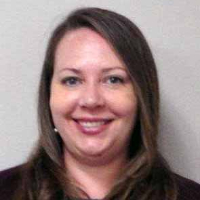
Wisconsin · 16 yrs exp
Compassionate therapist focused on practical change
Stress, Anxiety · Relationship · Anger · Career · +10 more
Read profile
Wisconsin · 10 yrs exp
Compassionate therapist focused on practical steps
Stress, Anxiety · Grief · Depression · Coping with life changes · +13 more
Read profile
Wisconsin · 30 yrs exp
Grounded counselor for life transitions
Stress, Anxiety · Addictions · Self esteem · Depression · +8 more
Read profile
Wisconsin · 3 yrs exp
Supportive counselor for life transitions
Stress, Anxiety · Relationship · Family · Self esteem · +12 more
Read profile
Wisconsin · 8 yrs exp
Therapist focused on practical change
Stress, Anxiety · Trauma and abuse · Self esteem · Depression · +16 more
Read profile
Wisconsin · 25 yrs exp
Compassionate LCSW guiding practical coping skills
Stress, Anxiety · Addictions · Relationship · Family · +10 more
Read profile
Wisconsin · 12 yrs exp
Compassionate, practical therapy for relationship and health concerns
Stress, Anxiety · LGBT · Relationship · Family · +4 more
Read profileOnline therapy has become a widely used option across Wisconsin, making it easier for you to connect with a licensed mental health professional without traveling long distances. In Wisconsin, many clinicians maintain online practices that allow them to work with clients across the state when they are licensed to do so. That licensing requirement is important because the rules that govern telehealth practice typically depend on where you are physically located during a session. As a result, therapists listed for Wisconsin on this site are represented as licensed to practice with Wisconsin residents, and you may encounter clinicians who list a range of specialties and formats for remote work.
Even though online therapy is commonly available, models vary. Some therapists offer short-term, skills-based approaches that focus on immediate concerns, while others describe longer-term, exploratory work. You will also see a mix of credentials reflected in profiles - for example, psychologists with doctoral degrees, licensed clinical social workers, licensed professional counselors, and licensed marriage and family therapists. Each clinician’s profile typically outlines the issues they focus on, the approaches they list among their methods, and languages in which they offer services. That information can help you determine whether a particular clinician might be a good fit for your needs.
Online therapy can make it easier for you to access mental health care from more locations in Wisconsin, including rural areas where in-person options are limited. The convenience of attending sessions from home, work, or another private space means you may spend less time commuting and more time focusing on the work with your therapist. For people with mobility challenges, caregiving responsibilities, or irregular schedules, the flexibility of remote sessions can reduce barriers to regular care.
Another advantage is the wider selection of clinicians you can consider. When you are not restricted to a local commute, it becomes practical to find someone who lists experience with particular concerns or who speaks your preferred language. Some therapists describe using approaches that emphasize skill-building, such as cognitive behavioral strategies, while others list more experiential or relational frameworks. You may also find clinicians who describe work with couples and families, adolescents, or specific life-transition concerns. Because profiles typically include information on credentials and focus areas, you can look for clinicians whose backgrounds align with your priorities.
Online therapists in Wisconsin address a broad spectrum of concerns. If you are coping with anxiety or depression, you will find clinicians who list these as primary focus areas and who describe approaches aimed at symptom management and life improvements. Many therapists also list support for relationship challenges, including couple and family dynamics, communication struggles, and parenting-related stress. Life transitions such as career changes, relocation, grief, and identity exploration are common reasons people turn to therapy and are frequently represented in profiles.
Trauma-related work is another area you may see reflected in clinician listings. When you review profiles, you will notice that some therapists list trauma-focused or somatic-informed approaches among their methods, while others list tools oriented toward emotional regulation and resilience. If substance use, eating concerns, or co-occurring mental health issues are part of your experience, you can search for clinicians who describe those specialties. Keep in mind that when a therapist lists a modality - for example, EMDR, dialectical behavior strategies, or mindfulness-based techniques - the listing indicates they use or reference that approach with clients rather than confirming a specific credential in it. Use the profile details to form questions you might bring to an initial conversation.
Verifying licensure is a practical step you can take to confirm that a clinician is authorized to practice in Wisconsin. The Wisconsin Department of Safety and Professional Services maintains public license records that you can search by name or license number. When you find a record, check the license type, issue and expiration dates, and any public disciplinary history listed on the state site. These records typically identify whether a license is current and in good standing, which helps you know the clinician meets the state's regulatory requirements.
When reviewing a profile, look for the exact license title and jurisdiction so you can match it with the state database. If a clinician lists a license from another state, and you plan to receive services while physically present in Wisconsin, it is reasonable to ask whether they are licensed to provide telehealth services to Wisconsin residents. Licensing rules differ across states, and some clinicians may practice under different arrangements depending on where you and they are located. Confirming licensure directly on the official state site and discussing it with the clinician before beginning work can provide clarity about the legal framework that governs your sessions.
Beginning online therapy often starts with browsing clinician profiles to identify a few people who describe work with the issues you are facing. Once you select profiles that seem promising, consider reaching out to request an initial conversation. That first contact is typically an opportunity to ask about logistics such as session length, fees, forms of payment, and whether they accept insurance or offer sliding scale arrangements. You might also ask how they structure sessions when working remotely and whether they use video, phone, or a combination of options. Before your first full session, make a plan for where you will be during appointments, ensuring you have a private space to talk and a reliable internet connection.
Choosing a clinician is a personal process and you should feel empowered to prioritize fit. Think about practical elements that matter to you, such as shared language, cultural background, or experience with specific life stages. Consider the approaches the clinician lists among their methods and whether those approaches match how you prefer to work - for instance, more skills-focused work versus a reflective, exploratory style. You can ask prospective clinicians how they typically structure sessions for the concerns you brought up, and what goals they commonly set with clients. It is reasonable to inquire about their experience with issues like trauma, relationship conflict, or parenting stress, phrasing questions on the basis of the clinician’s profile rather than assuming formal specialization beyond what is listed.
Pay attention to how you feel during the initial contact. A clinician’s empathy, clarity, and way of explaining the process can be meaningful indicators of whether you will feel comfortable working together. Comfort with technology is also important. Prior to the first appointment, test the video platform you will use, confirm audio and camera settings, and identify a quiet, private space for your session. If an emergency or urgent situation arises between sessions, ask the clinician what steps they recommend and how to access immediate local resources. Establishing these practical details in the beginning helps reduce uncertainty later on.
As you explore options in Wisconsin, remember that selecting a clinician is both an informational and an interpersonal decision. Profiles can tell you about credentials, languages spoken, and the therapeutic approaches clinicians list among their methods, but the felt sense of fit often emerges after a few conversations. If you are using insurance, check with your plan about coverage for telehealth and whether any preauthorization is required. If you are paying out of pocket, ask about fees, cancellation policies, and whether sliding scale fees are available.
Online therapy can be a practical, accessible route to support, and it also requires some planning to be effective. You can take manageable steps - verify licensure, prepare a reliable setup, ask clear questions about approach and logistics, and trust your response to the clinician’s style - to increase the chances of a productive match. The directory listings on this site are designed to help you compare credentials, approaches, focus areas, and language options so you can begin the process with confidence. When you find someone who seems like a good fit, an initial conversation will help you determine whether their way of working aligns with your goals for therapy.
Anger
3379 therapists
Cancer
2909 therapists
Chronic Illness
4780 therapists
Depression
5231 therapists
Grief
4504 therapists
Guilt and Shame
4880 therapists
HIV / AIDS
915 therapists
Isolation / Loneliness
4873 therapists
Midlife Crisis
3695 therapists
Mood Disorders
3880 therapists
Panic Disorder and Panic Attacks
3870 therapists
Post-Traumatic Stress
4286 therapists
Seasonal Affective Disorder (SAD)
2883 therapists
Self Esteem
4937 therapists
Sleeping Disorders
2032 therapists
Stress & Anxiety
5692 therapists
Trauma and Abuse
4548 therapists
Traumatic Brain Injury
1008 therapists
Aging and Geriatric Issues
2974 therapists
Body Image
3068 therapists
Caregiver Issues and Stress
4408 therapists
Communication Problems
4945 therapists
Compassion Fatigue
3031 therapists
Coping with Life Changes
4751 therapists
Family
3925 therapists
Fertility Issues
1466 therapists
Forgiveness
4496 therapists
Hospice and End-of-Life Counseling
2367 therapists
Life Purpose
4936 therapists
Money and Financial Issues
2683 therapists
Relationship
4618 therapists
Self-Love
4723 therapists
Workplace Issues
4216 therapists