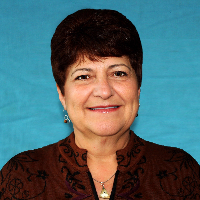
Michelle Lesagonicz
LCSWAlaska · 11 yrs exp
Person-centered therapy with practical tools
Stress, Anxiety · Relationship · Family · Trauma and abuse · +9 more
Read profileTherapist listings are provided by BetterHelp. We will earn a commission at no extra cost to you if you use our links to buy.
Welcome to CopingWell.org's Alaska directory page for online therapists. All therapists listed here hold an Alaska license to practice. Explore profiles to learn about each clinician's approaches, focus areas and languages.
Alaska · 11 yrs exp
Person-centered therapy with practical tools
Stress, Anxiety · Relationship · Family · Trauma and abuse · +9 more
Read profile
Alaska · 4 yrs exp
Calm, practical support for life’s hard moments
Stress, Anxiety · Trauma and abuse · Self esteem · Depression · +10 more
Read profile
Alaska · 20 yrs exp
Experienced LCSW focusing on practical support
Stress, Anxiety · Relationship · Trauma and abuse · Parenting · +1 more
Read profile
Alaska · 20 yrs exp
Practical support for life's difficult transitions
Stress, Anxiety · Addictions · Relationship · Family · +11 more
Read profile
Alaska · 9 yrs exp
Compassionate, practical support for life changes
Family · Grief · Anger · Self esteem · +9 more
Read profile
Alaska · 15 yrs exp
Practical, person-focused therapy for life challenges
Stress, Anxiety · Trauma and abuse · Grief · Parenting · +10 more
Read profile
Alaska · 9 yrs exp
Healing-focused counselor for life challenges
Stress, Anxiety · Relationship · Family · Trauma and abuse · +14 more
Read profileAs geography and weather shape daily life across Alaska, online therapy has become a widely used option for accessing behavioral health care. Many practitioners offer services by video or phone so you can work with a licensed clinician while living in Anchorage, Juneau, Fairbanks or a more remote community. In general, clinicians who provide services to people physically located in Alaska will hold an Alaska license. Licensing and practice rules have continued to evolve through 2026, and that growth has made it more common to find clinicians who list teletherapy among their approaches.
You may encounter licensed professional counselors, clinical social workers, psychologists and marriage and family therapists who offer remote sessions. Each clinician's profile will typically list credentials, clinical focus and therapeutic approaches. Note that approaches listed by a therapist describe what they use in practice rather than proof of specific certifications. For example, you might find therapists who list EMDR among their approaches or clinicians who describe work with cognitive-behavioral methods.
Online therapy reduces travel time and logistical barriers that can make in-person care difficult in a state with long distances between towns and frequent weather interruptions. You can meet with a clinician from home or another comfortable environment without navigating long drives or multiple modes of transportation. That convenience often helps people maintain continuity during seasonal moves, military reassignments or while working in temporary locations.
Besides convenience, remote sessions expand your options when you are looking for a clinician who focuses on a specific issue, offers services in your preferred language or uses certain approaches. You may also find it easier to arrange appointments around work, school and family responsibilities because you do not need to account for commute time. Keep in mind that online therapy does require a reliable internet connection or phone access and a quiet place for sessions. Thinking ahead about where you will meet and what technology you will use helps sessions run smoothly.
Online therapists in Alaska work with a wide range of concerns that include ongoing mood symptoms, situational stress and relationship challenges. If you are experiencing anxiety, persistent low mood, grief after a loss, stress related to work or school, or difficulties in partnerships or parenting, you can often find clinicians who describe experience addressing those concerns. Therapists also commonly support people through life transitions such as relocation, career change or adjustment to new family roles.
Profiles frequently list therapeutic approaches and the populations a clinician works with. Some therapists highlight work with teenagers or older adults, others describe experience supporting military or Indigenous communities, and many note language skills beyond English. When you review profiles, you will see descriptions like cognitive-behavioral approaches, mindfulness-informed work or trauma-focused methods. Remember that these listings reflect the clinician's stated practice and should be used as a starting point for further conversation about fit and approach.
Verifying a clinician's license is an important step when you are evaluating online therapy options. Start by locating the license number and the exact name used in the therapist's professional profile. Most state licensing boards provide an online search tool where you can enter a name or license number to confirm the license type, issue date and current standing. If you prefer, you can contact the licensing board by phone or email for assistance. Checking that the license is issued by Alaska and is listed as active helps ensure the clinician is legally authorized to provide services to people in the state.
Beyond the active or inactive status, review any public records of disciplinary actions or restrictions on practice. Licensing websites often include concise public records that explain the nature of any action taken. You can also confirm the clinician's professional title on their profile matches the license category in the state registry. If a clinician lists additional credentials or degrees, you may choose to ask where they were awarded and how they relate to the services being offered. Taking a few minutes to verify licensure gives you clearer information to base your decision on.
Beginning online therapy typically starts with clarifying what you want to work on and what matters most in a clinician-match. Consider whether you prefer a clinician who focuses on short-term symptom reduction or someone oriented toward longer-term personal growth. Think about practical factors such as language, experience with particular populations or clinical approaches, and whether you want sessions by video or phone. Once you have a sense of priorities, review listings for clinicians who describe relevant experience and then reach out to ask any questions you have about their approach and what a typical session looks like.
When you contact a clinician, it can be useful to ask how they structure sessions, how they track progress and what you might expect in the early weeks of work together. You may also ask about session length, the software or platform they use and how they handle scheduling and cancellations. If cost or insurance is a concern, ask about fee structure and whether they accept your plan. While you should not expect a diagnosis online, a clinician can explain how they conceptualize the concerns you bring and what goals they might use to guide treatment. The initial conversations are as much about practical alignment as they are about personal comfort, so trust your sense of whether the clinician's style fits what you need.
Choosing a therapist is both a practical and a personal decision. You may try a few introductory conversations to see who you feel most at ease with, and you should expect to find clinicians who describe different approaches and populations of focus. By checking licensure, considering the benefits of remote care for your situation and asking direct questions about approach and logistics, you can find an online therapist in Alaska who aligns with your needs and preferences. When you are ready, use the listings to learn more about individual clinicians and take the next step toward finding support.
Anger
3379 therapists
Cancer
2909 therapists
Chronic Illness
4780 therapists
Depression
5231 therapists
Grief
4504 therapists
Guilt and Shame
4880 therapists
HIV / AIDS
915 therapists
Isolation / Loneliness
4873 therapists
Midlife Crisis
3695 therapists
Mood Disorders
3880 therapists
Panic Disorder and Panic Attacks
3870 therapists
Post-Traumatic Stress
4286 therapists
Seasonal Affective Disorder (SAD)
2883 therapists
Self Esteem
4937 therapists
Sleeping Disorders
2032 therapists
Stress & Anxiety
5692 therapists
Trauma and Abuse
4548 therapists
Traumatic Brain Injury
1008 therapists
Aging and Geriatric Issues
2974 therapists
Body Image
3068 therapists
Caregiver Issues and Stress
4408 therapists
Communication Problems
4945 therapists
Compassion Fatigue
3031 therapists
Coping with Life Changes
4751 therapists
Family
3925 therapists
Fertility Issues
1466 therapists
Forgiveness
4496 therapists
Hospice and End-of-Life Counseling
2367 therapists
Life Purpose
4936 therapists
Money and Financial Issues
2683 therapists
Relationship
4618 therapists
Self-Love
4723 therapists
Workplace Issues
4216 therapists