
Mitchell Daas
LPCCMinnesota · 10 yrs exp
Therapist blending acceptance and practical skills
Stress, Anxiety · Relationship · Trauma and abuse · Depression · +15 more
Read profileTherapist listings are provided by BetterHelp. We will earn a commission at no extra cost to you if you use our links to buy.
Welcome to CopingWell.org's directory of online therapists serving Minnesota. All therapists listed here hold Minnesota licenses to practice. Explore the profiles below to compare approaches, credentials, languages, and experience.
Minnesota · 10 yrs exp
Therapist blending acceptance and practical skills
Stress, Anxiety · Relationship · Trauma and abuse · Depression · +15 more
Read profile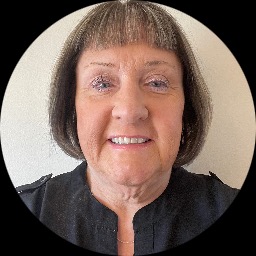
Minnesota · 37 yrs exp
Seasoned Minnesota LICSW focused on practical support
Stress, Anxiety · LGBT · Trauma and abuse · Depression · +14 more
Read profile
Minnesota · 15 yrs exp
Practical therapy for real life challenges
Stress, Anxiety · Relationship · Family · Self esteem · +5 more
Read profile
Minnesota · 5 yrs exp
Practical support for stress and life change
Stress, Anxiety · Self esteem · Depression · Coping with life changes · +7 more
Read profile
Minnesota · 38 yrs exp
Experienced counselor focusing on practical support
LGBT · Grief · Parenting · Self esteem · +1 more
Read profile
Minnesota · 5 yrs exp
Compassionate, practical support for everyday struggles
Stress, Anxiety · LGBT · Trauma and abuse · Eating · +1 more
Read profile
Minnesota · 15 yrs exp
Compassionate therapist focused on life transitions
Stress, Anxiety · Relationship · Grief · Eating · +1 more
Read profile
Minnesota · 20 yrs exp
Calm-focused therapy that combines mind and body work
Stress, Anxiety · Sleeping · Self esteem · Coping with life changes · +6 more
Read profile
Minnesota · 6 yrs exp
Compassionate LICSW focused on practical change
Stress, Anxiety · Relationship · Family · Depression · +1 more
Read profile
Minnesota · 25 yrs exp
Compassionate practical therapy for adults
Stress, Anxiety · Relationship · Grief · Self esteem · +9 more
Read profile
Minnesota · 20 yrs exp
Experienced LICSW offering calm, goal-focused care
Stress, Anxiety · Grief · Self esteem · Depression · +8 more
Read profile
Minnesota · 14 yrs exp
Therapist focused on connection and coping
Stress, Anxiety · Relationship · Family · Trauma and abuse · +8 more
Read profile
Minnesota · 29 yrs exp
Therapist focused on practical mental health support
Stress, Anxiety · Grief · Self esteem · Depression · +12 more
Read profile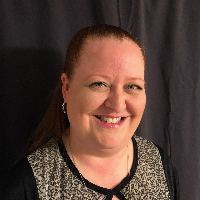
Minnesota · 13 yrs exp
Affirming, sex-positive therapy with practical focus
Stress, Anxiety · LGBT · Relationship · Intimacy-related issues · +11 more
Read profile
Minnesota · 5 yrs exp
Community-minded therapist focused on everyday coping
Stress, Anxiety · Grief · Parenting · Depression · +10 more
Read profile
Minnesota · 13 yrs exp
Practical, goal-focused counseling for everyday challenges
Stress, Anxiety · Addictions · Relationship · Depression · +14 more
Read profile
Minnesota · 10 yrs exp
Compassionate counselor for life transitions
Trauma and abuse · Grief · Bipolar · Coping with life changes · +7 more
Read profile
Minnesota · 7 yrs exp
Compassionate therapist helping people find steady progress
Stress, Anxiety · Relationship · Trauma and abuse · Depression · +13 more
Read profile
Minnesota · 10 yrs exp
Warm, practical psychotherapy for life transitions
Stress, Anxiety · Relationship · Trauma and abuse · Intimacy-related issues · +15 more
Read profile
Minnesota · 30 yrs exp
Experienced counselor for life and health challenges
Stress, Anxiety · Relationship · Family · Depression · +13 more
Read profile
Minnesota · 11 yrs exp
Practical counseling for life and health challenges
Stress, Anxiety · Addictions · Relationship · Family · +9 more
Read profile
Minnesota · 21 yrs exp
A relational therapist for life changes
Stress, Anxiety · Relationship · Grief · Self esteem · +9 more
Read profile
Minnesota · 11 yrs exp
Compassionate support for life’s hard moments
Stress, Anxiety · Addictions · Trauma and abuse · Grief · +1 more
Read profile
Minnesota · 10 yrs exp
Compassionate counseling for life’s difficult changes
Trauma and abuse · Grief · Anger · Self esteem · +11 more
Read profileIf you are considering online therapy in Minnesota, you are joining a large number of people who use remote care for mental health support. Teletherapy in Minnesota is practiced by clinicians with a range of professional titles and backgrounds, and many offer sessions by video or phone to reach people where they are. State rules determine how different kinds of clinicians may provide services across city and county lines and what documentation is required for remote care. Knowing the landscape can help you decide how to search and what to expect from therapist profiles.
Online therapy sessions typically follow a structure similar to in-person care. You can expect an intake conversation about what brings you to therapy, a discussion of goals and preferences, and sessions that focus on whatever issue you and your clinician agree to address. Some therapists list particular approaches such as cognitive behavioral methods or psychodynamic perspectives, while others describe work with specific populations or life stages. Profiles often include languages spoken, areas of focus, and professional credentials so you can find someone whose background aligns with your needs.
Online therapy offers practical advantages that can fit into many kinds of lifestyles. If you live in a rural county, face a long commute, or have mobility limitations, online sessions can remove geographic barriers that make meeting in person difficult. You can schedule sessions around work, family responsibilities, or seasonal activities without adding travel time. The convenience of logging in from home or another comfortable setting can also make it easier to keep consistent appointments and follow through on treatment plans.
Besides convenience, online therapy can support continuity of care when life circumstances change. If you travel for work or relocate within Minnesota, keeping continuity with the same clinician may be easier if they provide remote services. Online options also make it simpler to involve family members or partners who live in different places for joint sessions when appropriate. Finally, some people find that talking through a screen reduces social friction at the start of therapy and helps them open up more readily.
You can find online therapists who work with a wide range of emotional and life challenges. Many clinicians describe experience addressing anxiety, depression, trauma-related concerns, grief and loss, relationship struggles, parenting stress, career transitions, and life-stage adjustments. Some therapists list work with substance use or co-occurring conditions. When a therapist's profile mentions specific approaches, such as cognitive behavioral strategies or mindfulness-based practices, it indicates those methods are part of their listed approach rather than a formal certification statement.
If you have a particular issue in mind, look for therapists who describe relevant focus areas in their profiles. You may find clinicians who list behavioral approaches that emphasize skill-building and short-term goal work, while others emphasize exploration of life patterns and emotional experience. Some profiles note that a clinician uses techniques often associated with trauma work, and you will also see descriptions like "therapists who list EMDR among their approaches" or "therapists who list dialectical methods among their approaches." Reading descriptions carefully helps you match a clinician's stated style to your desired way of working.
When you find a clinician you are interested in, it is wise to confirm their Minnesota licensure through the state's licensing resources. Licenses are issued and overseen by state boards that vary by profession. Psychologists are typically listed with the state Board of Psychology, while social workers, counselors, marriage and family therapists, and other clinicians may appear under a board dedicated to behavioral health. If a clinician is a nurse practitioner, you can check the Board of Nursing for their credential information. Searching the appropriate state board's online roster allows you to confirm a current license and view any public disciplinary history.
Start by noting the professional title listed on the therapist's profile, such as psychologist, social worker, counselor, or nurse practitioner. Then visit the corresponding Minnesota licensing board website and search their practitioner directory using the clinician's full name or license number if provided. The directory entry typically shows whether the license is active, the license type, the issuance date, and any public actions. If you have questions about the result you find, the licensing board's contact information is usually available so you can request clarification.
Beginning online therapy is often easier when you prepare a few practical items in advance. Think about what you want to address in therapy and what outcomes feel meaningful to you. If you use insurance, check whether a clinician's profile lists which plans they accept and whether they bill privately. Many therapists include languages spoken, areas of focus, and a short description of their approach, which helps you narrow choices based on what matters most to you. When you reach out, ask about session format, typical session length, fees, and intake procedures so you know how the process will work.
Choosing the right therapist involves both practical and personal considerations. Practical factors include whether a clinician's session style - for example, skills-focused work or exploratory therapy - aligns with how you prefer to engage. You may also weigh logistical aspects like session times and whether the clinician works with adults, adolescents, couples, or families. Personal fit is about feeling heard and respected; reading a clinician's biography and sample statements about their values can help you sense whether their approach resonates with you.
Before your initial meeting, set up a reliable internet connection and a device with a camera and microphone if you plan to use video. Choose a quiet, comfortable environment where you can speak openly without interruption. Make a short list of topics you want to cover in the first session, any current medications, and relevant medical or mental health history to share. During early sessions, you and the clinician will typically establish goals, session frequency, and methods of communication between meetings. If something about the approach does not feel right, it is appropriate to discuss adjustments or to consider another clinician whose profile better matches your needs.
Finding an online therapist in Minnesota is a personal process that benefits from careful review of profiles, attention to licensure, and clear thinking about what you want from treatment. By taking these steps you can identify clinicians whose listed approaches, experience, and languages align with your preferences and start a path toward meaningful support.
Anger
3379 therapists
Cancer
2909 therapists
Chronic Illness
4780 therapists
Depression
5231 therapists
Grief
4504 therapists
Guilt and Shame
4880 therapists
HIV / AIDS
915 therapists
Isolation / Loneliness
4873 therapists
Midlife Crisis
3695 therapists
Mood Disorders
3880 therapists
Panic Disorder and Panic Attacks
3870 therapists
Post-Traumatic Stress
4286 therapists
Seasonal Affective Disorder (SAD)
2883 therapists
Self Esteem
4937 therapists
Sleeping Disorders
2032 therapists
Stress & Anxiety
5692 therapists
Trauma and Abuse
4548 therapists
Traumatic Brain Injury
1008 therapists
Aging and Geriatric Issues
2974 therapists
Body Image
3068 therapists
Caregiver Issues and Stress
4408 therapists
Communication Problems
4945 therapists
Compassion Fatigue
3031 therapists
Coping with Life Changes
4751 therapists
Family
3925 therapists
Fertility Issues
1466 therapists
Forgiveness
4496 therapists
Hospice and End-of-Life Counseling
2367 therapists
Life Purpose
4936 therapists
Money and Financial Issues
2683 therapists
Relationship
4618 therapists
Self-Love
4723 therapists
Workplace Issues
4216 therapists