
Stephanie Greene
LISWSouth Carolina · 20 yrs exp
Practical, person-centered care for life transitions
Stress, Anxiety · Relationship · Eating · Self esteem · +10 more
Read profileTherapist listings are provided by BetterHelp. We will earn a commission at no extra cost to you if you use our links to buy.
Welcome to CopingWell.org's directory of online therapists serving South Carolina. All therapists listed here are licensed; explore profiles to learn about their approaches, focus areas and languages.
South Carolina · 20 yrs exp
Practical, person-centered care for life transitions
Stress, Anxiety · Relationship · Eating · Self esteem · +10 more
Read profile
South Carolina · 25 yrs exp
Compassionate counselor focused on practical change
Stress, Anxiety · Addictions · Depression · Coping with life changes · +10 more
Read profile
South Carolina · 21 yrs exp
Practical, respectful care for life challenges
Stress, Anxiety · Relationship · Self esteem · Depression · +6 more
Read profile
South Carolina · 17 yrs exp
Compassionate counselor focused on real-life change
Stress, Anxiety · Grief · Anger · Self esteem · +8 more
Read profile
South Carolina · 9 yrs exp
Practical support for life’s difficult transitions
Stress, Anxiety · Relationship · Grief · Anger · +8 more
Read profile
South Carolina · 8 yrs exp
Practical therapy for life's difficult transitions
Stress, Anxiety · Relationship · Self esteem · Depression · +10 more
Read profile
South Carolina · 24 yrs exp
Compassionate support for life's hard transitions
Stress, Anxiety · Relationship · Family · Grief · +8 more
Read profile
South Carolina · 10 yrs exp
Therapist focused on relationships and healing
Stress, Anxiety · Relationship · Family · Trauma and abuse · +2 more
Read profile
South Carolina · 8 yrs exp
Licensed social worker focused on practical support
Stress, Anxiety · LGBT · Trauma and abuse · Grief · +1 more
Read profile
South Carolina · 3 yrs exp
Compassionate humanistic therapy for life changes
Stress, Anxiety · Addictions · Grief · Parenting · +1 more
Read profile
South Carolina · 4 yrs exp
Practical support for life transitions and healing
Family · Trauma and abuse · Grief · Self esteem · +1 more
Read profile
South Carolina · 3 yrs exp
Calm, practical therapy for everyday struggles
Stress, Anxiety · Addictions · Grief · Self esteem · +10 more
Read profile
South Carolina · 3 yrs exp
Compassionate, practical support for life changes
Stress, Anxiety · Grief · Sleeping · Depression · +1 more
Read profile
South Carolina · 16 yrs exp
Calm, practical therapy for life’s hard changes
Relationship · Family · Trauma and abuse · Grief · +9 more
Read profile
South Carolina · 16 yrs exp
Warm, goal-focused therapy for everyday challenges
Stress, Anxiety · Relationship · Family · Parenting · +14 more
Read profile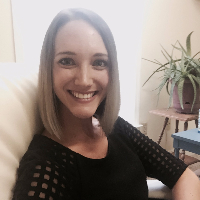
South Carolina · 12 yrs exp
Compassionate counselor focused on practical change
Stress, Anxiety · Relationship · Parenting · Depression · +10 more
Read profile
South Carolina · 17 yrs exp
Compassionate counselor focused on practical change
Stress, Anxiety · Grief · Anger · Self esteem · +8 more
Read profile
South Carolina · 10 yrs exp
Problem-focused counseling with a warm, practical style
Stress, Anxiety · Relationship · Parenting · Self esteem · +13 more
Read profile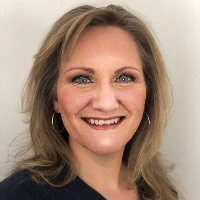
South Carolina · 8 yrs exp
Practical, collaborative care for life transitions
Stress, Anxiety · Relationship · Depression · Coping with life changes · +7 more
Read profile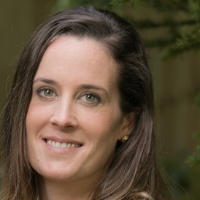
South Carolina · 8 yrs exp
Practical, goal-focused counseling for everyday life
Stress, Anxiety · Trauma and abuse · Anger · Self esteem · +12 more
Read profile
South Carolina · 9 yrs exp
Practical, compassionate counseling for life’s challenges
Stress, Anxiety · Relationship · Trauma and abuse · Self esteem · +13 more
Read profile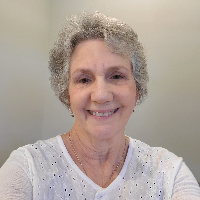
South Carolina · 20 yrs exp
Calm practical support for life challenges
Stress, Anxiety · Relationship · Trauma and abuse · Sleeping · +13 more
Read profile
South Carolina · 20 yrs exp
Practical support for stress and life changes
Stress, Anxiety · Trauma and abuse · Anger · Self esteem · +10 more
Read profile
South Carolina · 20 yrs exp
Compassionate counselor for life challenges
Stress, Anxiety · Relationship · Trauma and abuse · Anger · +11 more
Read profileOnline therapy in South Carolina has become a common option for people seeking behavioral health support across cities, suburbs and rural areas. Many licensed clinicians in the state offer video sessions, telephone consultations and messaging-based support as part of their practice models. When you search profiles, you will find clinicians who list a range of approaches and specialty areas, and who describe the types of clients they typically work with. Because services are delivered digitally, the focus is on creating a productive therapeutic relationship using technology and on ensuring that the practical aspects of care - like scheduling and payment - are clearly described on each profile.
Regulation of telehealth and online therapy emphasizes that the clinician must be properly licensed for the state where you are located during sessions. That means if you are physically in South Carolina when you participate in online therapy, clinicians offering ongoing care should hold a South Carolina license appropriate to their profession. Practically, online therapy can take different forms depending on clinician preference and the technology they choose. Profiles often note whether sessions are conducted via video, phone or text-based messaging, and whether the clinician lists specific approaches such as cognitive-behavioral methods, mindfulness-based techniques or other modalities among their approaches.
If you live in a rural part of South Carolina or in a community with limited local mental health resources, online therapy can reduce travel time and help you connect with clinicians who specialize in your concerns. You can meet with someone who lists experience working with specific populations - for example teens, older adults or couples - without needing to travel to a larger city. For many people, the ability to meet from home or from a workplace during a lunch break makes it easier to maintain continuity with therapy over time.
Online sessions let you choose a setting that feels comfortable and personal for you, whether that means a quiet room in your home, a parked car between errands or another location where you can focus. That flexibility can make it simpler to fit therapy into a busy life that includes work, school or caregiving responsibilities. Many people also appreciate the broader selection of clinicians when they search online - you can consider therapists who list different approaches, languages and specialization areas until you find profiles that feel like a potential fit.
Online clinicians commonly work with people experiencing anxiety, depression and stress related to work, family or life transitions. You will often find therapists who describe their focus as helping clients develop coping strategies, manage symptoms and build skills for day-to-day functioning. Approaches listed on profiles vary and can include cognitive-behavioral strategies, mindfulness-informed practices and more exploratory forms of therapy, depending on the therapist's stated orientation.
Many therapists list relationship concerns, family dynamics and parenting as areas they address in online sessions. Whether you are navigating couple communication, adjusting to a new parenting role or managing conflict with extended family, these topics are commonly addressed in virtual treatment. Therapists who list couple or family work among their approaches may describe whether they offer sessions for partners, families or individuals coping with relational stressors.
People seeking support for trauma reactions, grief after loss or major life transitions often connect with clinicians online. Some therapists list trauma-focused approaches such as EMDR among their approaches; when you see that language on a profile it indicates that the clinician includes that approach in their practice description. It is helpful to read profiles to understand how a therapist frames trauma work, what populations they typically serve and whether they mention complementary approaches such as somatic methods, cognitive techniques or supportive counseling.
When you want to confirm that a clinician is licensed to practice in South Carolina, start with the state licensing board that corresponds to the clinician's credential. South Carolina maintains boards and online verification tools for counselors, social workers, marriage and family therapists and psychologists. Through those resources you can look up a clinician by name to view license status, issue and expiration dates and any public disciplinary actions. If a profile lists a license number, you can use that detail as an additional reference point during your search.
If a profile leaves any licensure details unclear, you can request the license number from the clinician directly and check it on the appropriate state board site. You may also contact the board by phone or email to ask general questions about the licensure verification process. Keep in mind that credentials are described differently across disciplines - you will commonly see initials such as LPC, LCSW, LMFT, PhD or PsyD. Licensure requirements and scope of practice vary by credential, so reviewing the board information helps you understand the legal framework that guides practice in South Carolina.
Begin by reflecting on what you want from therapy and the practical constraints you have, such as schedule, language needs or payment preferences. Search profiles to identify clinicians who list focus areas that match your concerns, such as anxiety, relationship issues or grief. Read profile descriptions to understand the approaches a therapist lists and any populations they highlight. When you reach out to a clinician, common first steps include a brief intake conversation by phone or message to ask about their approach, session structure and fees. Profiles often note whether a clinician accepts insurance, uses a sliding scale or works on a self-pay basis, so review that information when it is available.
Choosing a therapist is a personal decision that often comes down to fit and comfort. Look for clinicians whose profiles describe work with people in situations similar to yours, and pay attention to language that indicates the therapist's approach to collaboration and goals. You may prefer someone who lists practical, skills-based methods, or you might find an exploratory, insight-oriented approach resonates more with you. Consider practical factors such as session length, communication methods between sessions and whether the clinician lists additional supports like group work or targeted workshops. It can be helpful to prepare a few questions in advance about how the therapist typically structures early sessions, how they measure progress and what kinds of homework or between-session tasks they recommend, if any.
Once you begin online sessions, create a predictable environment that helps you focus - choose a quiet spot with a reliable internet connection and minimal interruptions. Set realistic goals for what you want to address in therapy and discuss how you and the clinician will track progress. Many people reassess fit after a few sessions and decide whether to continue or to explore other clinicians; that is a normal part of the process. If you have specific needs related to language, culture or life stage, seek clinicians who list those areas among their focus. Ultimately, the right match is one where you feel understood, respected and able to work toward the changes you hope to make.
Online therapy in South Carolina offers a flexible path to support when you need it. By reviewing profiles, verifying licensure and preparing clear questions for clinicians, you can make informed decisions about who may be a good fit for your needs. Take the time to explore listings, read descriptions and reach out to clinicians whose approaches and focus areas align with your goals.
Anger
3379 therapists
Cancer
2909 therapists
Chronic Illness
4780 therapists
Depression
5231 therapists
Grief
4504 therapists
Guilt and Shame
4880 therapists
HIV / AIDS
915 therapists
Isolation / Loneliness
4873 therapists
Midlife Crisis
3695 therapists
Mood Disorders
3880 therapists
Panic Disorder and Panic Attacks
3870 therapists
Post-Traumatic Stress
4286 therapists
Seasonal Affective Disorder (SAD)
2883 therapists
Self Esteem
4937 therapists
Sleeping Disorders
2032 therapists
Stress & Anxiety
5692 therapists
Trauma and Abuse
4548 therapists
Traumatic Brain Injury
1008 therapists
Aging and Geriatric Issues
2974 therapists
Body Image
3068 therapists
Caregiver Issues and Stress
4408 therapists
Communication Problems
4945 therapists
Compassion Fatigue
3031 therapists
Coping with Life Changes
4751 therapists
Family
3925 therapists
Fertility Issues
1466 therapists
Forgiveness
4496 therapists
Hospice and End-of-Life Counseling
2367 therapists
Life Purpose
4936 therapists
Money and Financial Issues
2683 therapists
Relationship
4618 therapists
Self-Love
4723 therapists
Workplace Issues
4216 therapists