
Sara Irwin
LCPC, LPCNebraska · 14 yrs exp
Practical therapy for stress, mood, and life change
Stress, Anxiety · Addictions · Relationship · Trauma and abuse · +15 more
Read profileTherapist listings are provided by BetterHelp. We will earn a commission at no extra cost to you if you use our links to buy.
Welcome to our directory of licensed online therapists serving Nebraska. All therapists listed here hold a current state license to practice in Nebraska. Explore profiles to compare approaches, focus areas, languages, and professional credentials as you begin your search.
Nebraska · 14 yrs exp
Practical therapy for stress, mood, and life change
Stress, Anxiety · Addictions · Relationship · Trauma and abuse · +15 more
Read profile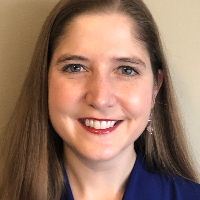
Nebraska · 11 yrs exp
Supportive counselor focused on present-moment change
Stress, Anxiety · Relationship · Family · Grief · +13 more
Read profile
Nebraska · 19 yrs exp
Practical, trust-based therapy for real-life problems
Stress, Anxiety · Relationship · Anger · Self esteem · +10 more
Read profile
Nebraska · 20 yrs exp
Practical, compassionate care for life changes
Stress, Anxiety · Relationship · Anger · Depression · +1 more
Read profile
Nebraska · 27 yrs exp
Experienced Nebraska counselor offering practical support
Stress, Anxiety · Relationship · Family · Trauma and abuse · +9 more
Read profile
Nebraska · 8 yrs exp
Practical support for life transitions and stress
Stress, Anxiety · Anger · Self esteem · Coping with life changes · +11 more
Read profile
Nebraska · 34 yrs exp
Empathic, experienced clinician who listens
Stress, Anxiety · Addictions · Relationship · Family · +12 more
Read profile
Nebraska · 3 yrs exp
Calm relational therapy for life challenges
Stress, Anxiety · Grief · Self esteem · Depression · +9 more
Read profile
Nebraska · 12 yrs exp
Person-centered care for trauma and co-occurring concerns
Stress, Anxiety · Addictions · Anger · Bipolar · +11 more
Read profile
Nebraska · 4 yrs exp
Compassionate, person-centered counseling for life challenges
Stress, Anxiety · Family · Self esteem · Coping with life changes · +13 more
Read profile
Nebraska · 3 yrs exp
Compassionate support for life changes and medical challenges
Stress, Anxiety · Trauma and abuse · Grief · Depression · +8 more
Read profile
Nebraska · 17 yrs exp
Experienced Nebraska therapist focused on practical care
Addictions · Trauma and abuse · Self esteem · Depression · +14 more
Read profile
Nebraska · 5 yrs exp
Compassionate trauma-informed care
Stress, Anxiety · Addictions · LGBT · Trauma and abuse · +8 more
Read profile
Nebraska · 9 yrs exp
Compassionate, practical support for life's challenges
Stress, Anxiety · Addictions · Relationship · Grief · +2 more
Read profile
Nebraska · 31 yrs exp
Practical support for life and relationship challenges
Relationship · Trauma and abuse · Intimacy-related issues · Depression · +15 more
Read profile
Nebraska · 3 yrs exp
Calm listening with practical steps
Stress, Anxiety · Relationship · Intimacy-related issues · Parenting · +16 more
Read profile
Nebraska · 25 yrs exp
Empowering, practical support for life transitions
Relationship · Grief · Career · Coping with life changes · +9 more
Read profile
Nebraska · 11 yrs exp
Compassionate care for stress and trauma
Stress, Anxiety · Trauma and abuse · Eating · Self esteem · +1 more
Read profile
Nebraska · 10 yrs exp
Compassionate, practical support for life changes
Stress, Anxiety · LGBT · Trauma and abuse · Self esteem · +1 more
Read profile
Nebraska · 33 yrs exp
Practical support for life’s hardest moments
Stress, Anxiety · Trauma and abuse · Self esteem · Depression · +3 more
Read profile
Nebraska · 29 yrs exp
Experienced Nebraska therapist for mood and trauma
Stress, Anxiety · Trauma and abuse · Self esteem · Bipolar · +1 more
Read profile
Nebraska · 7 yrs exp
Practical, compassionate support for daily struggles
Stress, Anxiety · Parenting · Depression · Coaching · +1 more
Read profile
Nebraska · 5 yrs exp
Practical help for stress and life changes
Stress, Anxiety · Addictions · Self esteem · Depression · +1 more
Read profile
Nebraska · 3 yrs exp
Compassionate, practical support for life changes
Stress, Anxiety · Trauma and abuse · Self esteem · Depression · +1 more
Read profileOnline therapy has become a common option for people across Nebraska, from small towns to larger cities. Telehealth technology lets you connect with licensed mental health professionals by video or phone, often making it easier to find someone whose specialization, approach, or language matches your needs. While therapists may offer services from different locations, the important legal point is that clinicians who work with you must hold a license that authorizes practice in Nebraska. That means your search can include professionals who list telehealth or online services among their offerings, but you should confirm that they are licensed to provide care to Nebraska residents.
The mix of clinicians who provide online services in Nebraska reflects a broad range of credentials and approaches. You will find licensed professional counselors, clinical social workers, marriage and family therapists, and psychologists who list a variety of therapeutic models. Some therapists focus on short-term coping strategies, while others emphasize long-term personal growth. Because online options remove geographic barriers, you can look beyond your immediate area to find someone who matches your priorities for language, cultural background, or clinical focus.
If you live in Nebraska, online therapy can offer practical advantages that fit different lifestyles and schedules. For people in rural or remote areas, it can reduce travel time and open access to clinicians who might not be nearby. For caregivers, shift workers, and people with mobility limits, being able to meet from home or another convenient location makes it easier to keep regular sessions. Online formats can also provide continuity when life circumstances temporarily prevent in-person visits, so you can maintain momentum in your work with a clinician.
Another advantage is the ability to match on specific criteria that matter to you. You can search for therapists who list certain therapeutic approaches, who work with particular life stages or issues, or who offer services in your preferred language. Because many clinicians describe their areas of focus and the populations they serve, you can prioritize profiles that align with your needs. Technology also allows for flexible formats - video, phone, or messaging - and you can discuss with a clinician which mode of communication feels most comfortable and practical for you.
Online therapists in Nebraska address a wide range of life challenges and mental health concerns. Common reasons people seek support include anxiety, persistent low mood, stress related to work or caregiving, relationship difficulties, grief and loss, and adjustments to health or life transitions. Clinicians also work with people who want help managing symptoms related to trauma, building coping skills for day-to-day stress, or improving communication within families and partnerships. Many therapists list specialties such as perinatal mental health, adolescent issues, or workplace stress, which can help you target professionals who focus on the concerns most relevant to you.
Therapists may describe the clinical approaches they use in session, and you will often see terms like cognitive-behavioral, mindfulness-based, psychodynamic, or narrative approaches. You may also find therapists who list EMDR among their approaches, somatic methods, or family systems work. Listing an approach does not in itself indicate a specific credential; it simply communicates what the therapist uses in their practice. When you review profiles, look for descriptions that explain how an approach is applied to real-life problems so you can imagine how it might fit with your goals.
Verifying a therapist's license is an important step before beginning services. Nebraska maintains public license records and professional boards for the major mental health credentials, and these resources allow you to confirm that a clinician holds an active license to practice in the state. When you view a therapist profile, look for a license type and number such as LCSW, LPC, LMFT, or a doctoral-level psychologist credential. You can use that information to search state licensing board lookup tools to confirm active status and to see whether any disciplinary actions are on record.
When you check licensure, pay attention to the scope of practice associated with that license. Different credential types have different training pathways and practice areas, and the license description will clarify what the clinician is permitted to do under Nebraska regulations. If you have questions or want added reassurance, you can ask a clinician directly for their license number and the board that issued it, and then confirm the details through state resources. This step is especially relevant if you plan to receive services online from a clinician who lists practice locations in multiple states or who works across state lines.
Getting started with an online therapist begins with clarifying what you want from therapy. Take a moment to identify a few goals - for example, reducing anxiety, improving relationship skills, handling a life transition, or working through grief. Once you have a sense of priorities, use directory filters to compare therapists by focus areas, therapeutic approaches, credentials, languages spoken, and years of experience. Reading clinicians' profile summaries and any available intake information can help you picture how a clinician frames their work and whether their approach resonates with you.
As you narrow your options, prepare to reach out with a brief message that describes your main concerns and asks any practical questions you have about the format of sessions. In that initial contact, you might request the clinician's license number for verification, ask which therapeutic approaches they use most often, and inquire about language options if that matters to you. When you schedule your first session, choose a quiet, private space where you feel comfortable speaking openly. Check your internet connection and test your camera and microphone ahead of time, and have a simple backup plan such as a phone number to call if technology fails during a session.
Choosing the right therapist is often a personal process. You may find that a clinician's tone, cultural perspective, or life experience matters as much as their stated method. Trust your initial impressions and be willing to try a few conversations before deciding who you want to work with consistently. Pay attention to whether the clinician listens to your goals, explains their approach in ways you understand, and helps you create small, achievable steps toward change. If you are ever in crisis or facing an immediate risk, call local emergency services or go to the nearest emergency department. Keep a list of local crisis numbers and resources so you can access support promptly if needed.
Finally, remember that therapy is a collaborative process. It is reasonable to ask questions about how your clinician measures progress, how long they typically work with people who have similar concerns, and how sessions will be structured. Comparing focus areas, approaches, credentials, languages, and experience across profiles will help you make an informed choice. With thoughtful preparation, you can find an online therapist who matches your needs and begin a course of work that fits your life in Nebraska.
Anger
3379 therapists
Cancer
2909 therapists
Chronic Illness
4780 therapists
Depression
5231 therapists
Grief
4504 therapists
Guilt and Shame
4880 therapists
HIV / AIDS
915 therapists
Isolation / Loneliness
4873 therapists
Midlife Crisis
3695 therapists
Mood Disorders
3880 therapists
Panic Disorder and Panic Attacks
3870 therapists
Post-Traumatic Stress
4286 therapists
Seasonal Affective Disorder (SAD)
2883 therapists
Self Esteem
4937 therapists
Sleeping Disorders
2032 therapists
Stress & Anxiety
5692 therapists
Trauma and Abuse
4548 therapists
Traumatic Brain Injury
1008 therapists
Aging and Geriatric Issues
2974 therapists
Body Image
3068 therapists
Caregiver Issues and Stress
4408 therapists
Communication Problems
4945 therapists
Compassion Fatigue
3031 therapists
Coping with Life Changes
4751 therapists
Family
3925 therapists
Fertility Issues
1466 therapists
Forgiveness
4496 therapists
Hospice and End-of-Life Counseling
2367 therapists
Life Purpose
4936 therapists
Money and Financial Issues
2683 therapists
Relationship
4618 therapists
Self-Love
4723 therapists
Workplace Issues
4216 therapists