
Casey Day
LPCC, LPCWest Virginia · 10 yrs exp
Practical, supportive counseling for life’s challenges
Stress, Anxiety · Family · Self esteem · Depression · +12 more
Read profileTherapist listings are provided by BetterHelp. We will earn a commission at no extra cost to you if you use our links to buy.
Welcome to CopingWell.org's directory for online therapists serving West Virginia. All listed therapists are licensed in West Virginia; explore profiles to review credentials, approaches, languages, and areas of focus.
West Virginia · 10 yrs exp
Practical, supportive counseling for life’s challenges
Stress, Anxiety · Family · Self esteem · Depression · +12 more
Read profile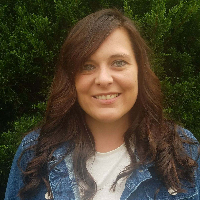
West Virginia · 15 yrs exp
Compassionate counselor for life transitions
Stress, Anxiety · Addictions · LGBT · Trauma and abuse · +11 more
Read profile
West Virginia · 7 yrs exp
Practical therapy for life’s challenges
Stress, Anxiety · Relationship · Family · Trauma and abuse · +14 more
Read profile
West Virginia · 24 yrs exp
Practical, warm counseling for everyday struggles
Stress, Anxiety · Relationship · Trauma and abuse · Parenting · +14 more
Read profile
West Virginia · 18 yrs exp
Helping people manage stress and life changes
Stress, Anxiety · Family · Parenting · Self esteem · +10 more
Read profile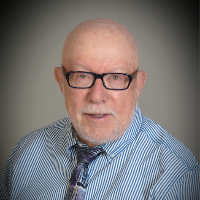
West Virginia · 30 yrs exp
Seasoned counselor focusing on real-life coping
Stress, Anxiety · Addictions · Grief · Anger · +7 more
Read profile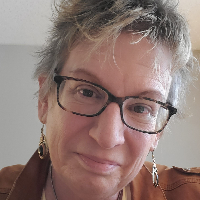
West Virginia · 34 yrs exp
Experienced psychologist guiding purposeful change
Stress, Anxiety · Addictions · Trauma and abuse · Depression · +9 more
Read profile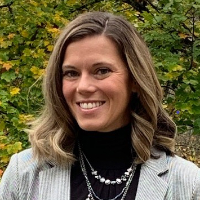
West Virginia · 3 yrs exp
Practical, relationship-focused counseling for real life
Stress, Anxiety · Relationship · Trauma and abuse · Grief · +13 more
Read profile
West Virginia · 9 yrs exp
Warm LPC helping people handle life’s hard moments
Stress, Anxiety · LGBT · Intimacy-related issues · Self esteem · +12 more
Read profile
West Virginia · 14 yrs exp
Experienced therapist focused on practical support
Stress, Anxiety · Addictions · Trauma and abuse · Anger · +14 more
Read profile
West Virginia · 7 yrs exp
Compassionate, practical counseling for everyday struggles
Stress, Anxiety · LGBT · Self esteem · Career · +10 more
Read profile
West Virginia · 10 yrs exp
Compassionate counselor for life transitions
Stress, Anxiety · Trauma and abuse · Parenting · Self esteem · +5 more
Read profile
West Virginia · 11 yrs exp
Compassionate counselor focused on steady progress
Stress, Anxiety · Addictions · Trauma and abuse · Grief · +10 more
Read profile
West Virginia · 13 yrs exp
Practical support for life changes and relationships
Relationship · Family · Trauma and abuse · Coping with life changes · +5 more
Read profile
West Virginia · 26 yrs exp
Licensed counselor helping people change patterns
Stress, Anxiety · Relationship · Self esteem · Career · +1 more
Read profile
West Virginia · 7 yrs exp
Compassionate, strengths-based clinical social worker
Stress, Anxiety · Addictions · Trauma and abuse · Depression · +1 more
Read profile
West Virginia · 4 yrs exp
Calm, practical therapy focused on everyday challenges
Stress, Anxiety · Relationship · Trauma and abuse · Self esteem · +8 more
Read profile
West Virginia · 4 yrs exp
Compassionate counselor for stress and trauma
Stress, Anxiety · LGBT · Trauma and abuse · Self esteem · +1 more
Read profile
West Virginia · 16 yrs exp
Compassionate counselor focused on everyday recovery
Stress, Anxiety · Relationship · Grief · Depression · +1 more
Read profile
West Virginia · 3 yrs exp
Calm guidance for life’s hard moments
Stress, Anxiety · Relationship · Self esteem · Depression · +1 more
Read profile
West Virginia · 10 yrs exp
Calm support for everyday mental health challenges
Stress, Anxiety · LGBT · Trauma and abuse · Parenting · +1 more
Read profile
West Virginia · 5 yrs exp
Compassionate practical care for life changes
Stress, Anxiety · Addictions · Trauma and abuse · Depression · +1 more
Read profile
West Virginia · 6 yrs exp
Helping people handle stress and life changes
Stress, Anxiety · Addictions · Trauma and abuse · Parenting · +14 more
Read profileOnline therapy has become a common option for people across West Virginia, connecting you with licensed mental health professionals from the Eastern Panhandle to the Mountain State's coal counties. Whether you live in a small town or a larger city, virtual appointments let you engage with clinicians who list telehealth among their methods. In West Virginia, the practice of offering therapy across distances is shaped by state licensure rules, insurance policies, and platform choices. Those factors determine how a therapist is authorized to provide remote care to residents of this state.
When you search for an online therapist, you will find clinicians with different credentials and areas of focus. Some are licensed counselors, others are social workers, marriage and family therapists, or psychologists. The profiles you read will typically describe the therapist's professional credential, the approaches they list, the populations they work with, and the languages they speak. That information helps you identify clinicians whose stated interests align with what you want to address.
Teletherapy can include video visits, phone sessions, or text and messaging-based support, depending on the clinician's practice model. The technology used may vary by provider. You should expect a range of formats and session lengths, so knowing your own preferences before you start will make it easier to select a therapist who uses the communication style you prefer.
Online therapy offers several practical advantages if you live in West Virginia. You can reduce travel time for appointments and avoid weather-related travel challenges that sometimes affect in-person visits. For those with mobility constraints or caregiving responsibilities, virtual sessions can make it easier to maintain consistent care. The flexibility of remote sessions also allows you to connect with therapists who specialize in specific concerns that may not be widely available locally.
Another benefit is the ability to choose a therapist whose approach and background match your needs, even if they are not based in your county. You might find therapists who list particular therapeutic approaches, cultural competencies, or language skills that feel more relevant to your situation. Online therapy can also fit into a busy schedule more easily, letting you plan sessions around work, school, or family commitments.
In rural areas of West Virginia, online therapy can bridge gaps in local mental health resources. It can be especially helpful if specialty services are scarce nearby. At the same time, you should consider internet access and privacy at home when planning remote sessions. If you are concerned about interruptions or having a quiet place to talk, think through options in advance so you can choose a setting that supports focused conversation.
Therapists offering online services often address a wide range of concerns that affect people in the state. You will commonly find clinicians who list areas such as depression, anxiety, relationship issues, stress management, grief, trauma, and life transitions among their focuses. Many also describe work with adolescents, adults, couples, or families, and some list approaches for dealing with workplace stress or college-related adjustment.
Because individual therapists describe their areas of focus differently, reading profiles will help you understand whether a clinician emphasizes practical coping skills, long-term therapy, or short-term problem solving. Some therapists list specific modalities they use; for example, you may find therapists who list EMDR among their approaches, or who list mindfulness-based methods, solution-focused strategies, or narrative work. Remember that a listing of an approach does not confirm formal certification in that method, but it does indicate what a therapist highlights in their practice.
Online therapy can be adapted to many goals. If you are managing a chronic condition, working through a recent loss, navigating relationship changes, or seeking support during a stressful season, virtual sessions can provide regular, focused time to work with a clinician. Some people also use online therapy for skill-building, such as learning stress reduction techniques, improving communication, or developing routines that support mental health.
Verifying a therapist's license is an important step when you are considering online care. Start by noting the professional credential listed on the therapist's profile and any license number provided. Then visit the appropriate West Virginia licensing board website for that credential. Common boards include the West Virginia Board of Examiners for Licensed Professional Counselors, the West Virginia Board of Social Work Examiners, the West Virginia Board of Examiners of Psychologists, and the board that oversees marriage and family therapists. Each board typically offers an online lookup tool where you can enter a name or license number.
When you use the lookup tool, check the license status, expiration date, and any public disciplinary history. Those details help you confirm that the clinician is authorized to practice in the state. If you have trouble finding information online, you can contact the relevant board by phone or email and ask how to verify a license. Keeping a record of the verification steps you take can be helpful if you need to reference them later.
In addition to checking licensure, look at the therapist's profile for their stated credentials and scope of practice. Confirm whether the clinician's degree and credential align with the services you want. If you plan to use insurance, ask the therapist or your insurer about billing practices and whether sessions will be submitted under the clinician's license type. Understanding these administrative details up front can prevent surprise billing or coverage issues later.
Getting started begins with clarifying your goals. Think about what you hope to address in therapy, whether you want short-term support or ongoing work, and what session format you prefer - video, phone, or messaging. Use the directory information to narrow your options by credential, approaches listed, populations served, and languages spoken. Many profiles will describe the therapist's approach to therapy in their own words, which can give you a sense of whether their style might fit your needs.
When you contact a therapist to learn more, prepare a few questions. Ask about their general approach to the issues you want to work on and how they typically structure sessions. You may also want to inquire about session length, fee practices, and what to expect during an initial meeting. If you plan to use insurance, ask whether the clinician will bill your carrier and what information they will need from you. These practical questions help you make an informed choice without discussing availability.
Choosing a therapist often comes down to personal fit. You should feel comfortable with the therapist's communication style and approach. It is reasonable to expect a preliminary conversation to give you a sense of rapport and clarity about the therapist's methods. If cultural factors, language, or lived experience are important to you, look for profiles that highlight those elements, or ask the clinician how they incorporate cultural context into their work. Over time, you and your therapist can evaluate whether the approach is helping you progress toward your goals, and you can discuss adjustments as needed.
Online therapy can be an accessible and flexible way to pursue mental health care in West Virginia. By checking licensure, clarifying your goals, and paying attention to the therapist's stated approaches and areas of focus, you can find a clinician who matches your needs and preferences. Take your time to read profiles, prepare questions, and choose a format that supports consistent, meaningful work on the issues that matter to you.
Anger
3379 therapists
Cancer
2909 therapists
Chronic Illness
4780 therapists
Depression
5231 therapists
Grief
4504 therapists
Guilt and Shame
4880 therapists
HIV / AIDS
915 therapists
Isolation / Loneliness
4873 therapists
Midlife Crisis
3695 therapists
Mood Disorders
3880 therapists
Panic Disorder and Panic Attacks
3870 therapists
Post-Traumatic Stress
4286 therapists
Seasonal Affective Disorder (SAD)
2883 therapists
Self Esteem
4937 therapists
Sleeping Disorders
2032 therapists
Stress & Anxiety
5692 therapists
Trauma and Abuse
4548 therapists
Traumatic Brain Injury
1008 therapists
Aging and Geriatric Issues
2974 therapists
Body Image
3068 therapists
Caregiver Issues and Stress
4408 therapists
Communication Problems
4945 therapists
Compassion Fatigue
3031 therapists
Coping with Life Changes
4751 therapists
Family
3925 therapists
Fertility Issues
1466 therapists
Forgiveness
4496 therapists
Hospice and End-of-Life Counseling
2367 therapists
Life Purpose
4936 therapists
Money and Financial Issues
2683 therapists
Relationship
4618 therapists
Self-Love
4723 therapists
Workplace Issues
4216 therapists